12 Cover Up Tattoos for Women That Turn Regret Into Art
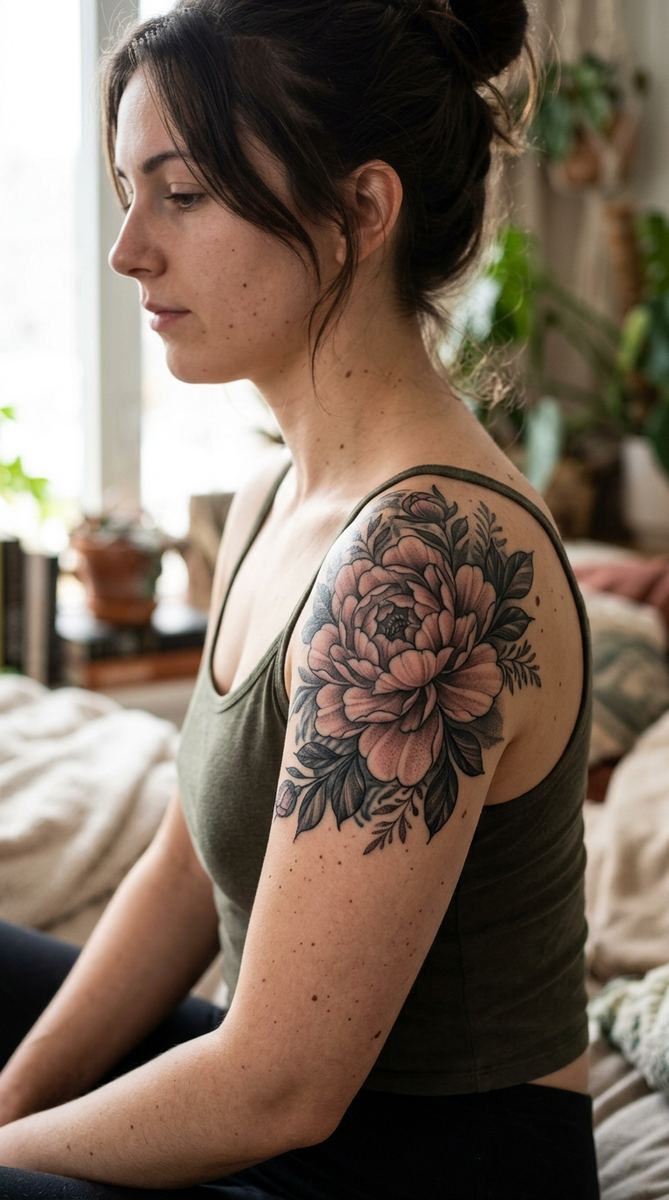
That old tattoo seemed like a great idea at the time. Now it feels like a stranger’s signature on your skin. You are not stuck with it. Cover up tattoos for women have come a long way, and skilled artists can turn faded names, old symbols, and blurry designs into artwork you genuinely love. A smart cover-up does more than hide the past. It uses dark shading, clever placement, and bold shapes to fold old ink into something new. This list rounds up twelve beautiful directions, from soft florals to strong blackwork. Bring these ideas to your consultation and ask your artist what suits your skin, your old tattoo, and your budget.
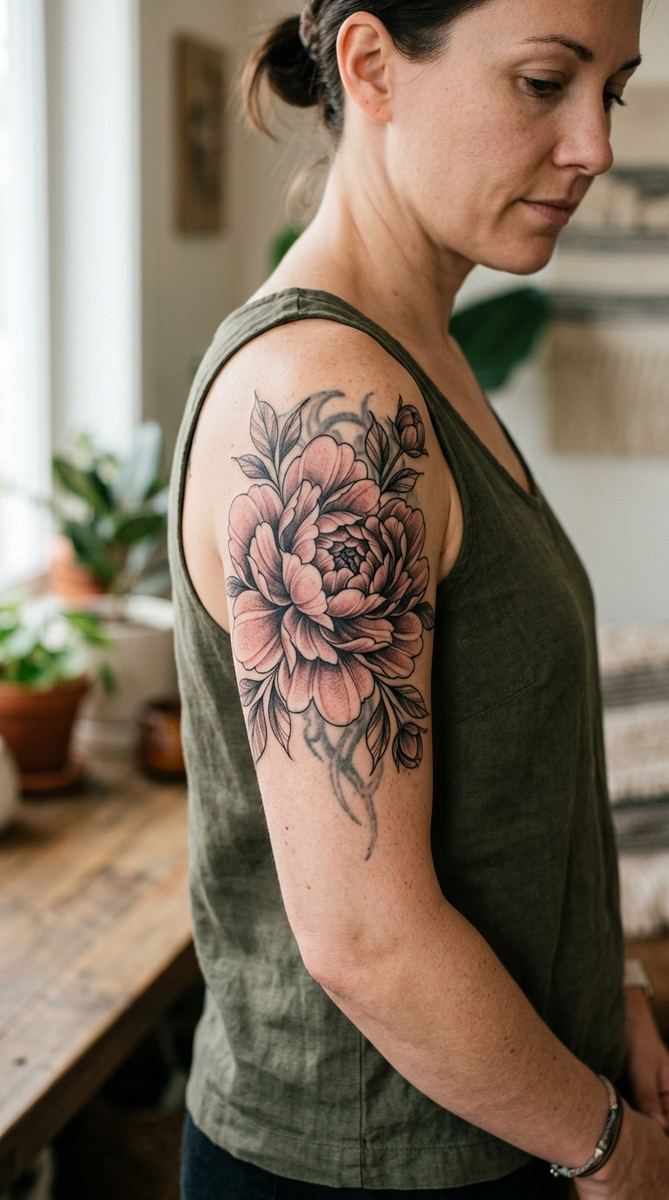
Lush Peony Bloom
Peonies are a favorite for cover-ups, and for good reason. Their big, ruffled petals give your artist plenty of dark, dense area to work with. Old lines disappear under layered shading, and the flower’s natural curves can follow the shape of whatever sits underneath.
This style works best over faded black ink. The deeper the new petals, the better the old tattoo hides. Ask your artist to pack rich tone into the center of each bloom and soften toward the edges. That contrast is what makes the past vanish.
Dense petal layering is the phrase to use at your consultation. Bring two or three reference photos showing the size you want. A peony cover-up usually runs larger than the original tattoo, so plan for that from the start.
Budget tip: a palm-sized peony often takes one to two sessions. Ask for a flat quote per session if that feels clearer than hourly pricing. For aftercare, use a simple fragrance-free moisturizer and keep the area out of direct sun while it heals. Loose sleeves help protect it too.
If the old tattoo sits over scarred or raised skin, mention it at the consultation. Texture changes how shading settles, and an experienced cover-up artist will adjust their technique and give you a straight answer about what the skin allows. Honesty about the canvas leads to better art.
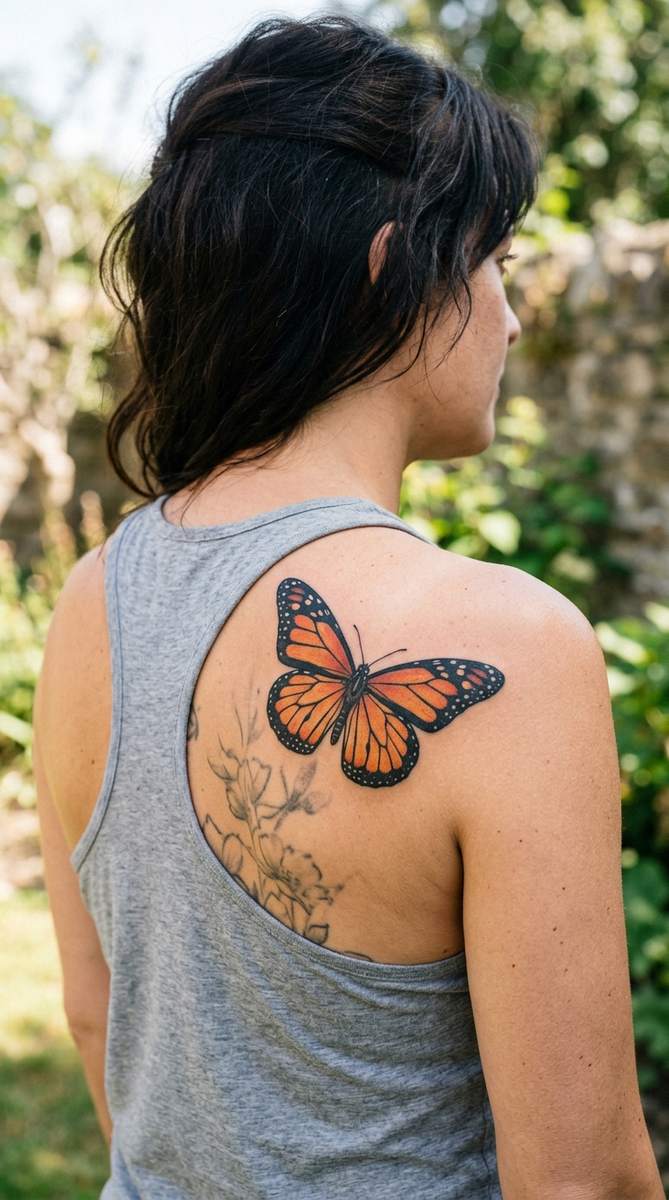
Butterfly in Flight
Few designs say “new chapter” like a butterfly. It is a natural fit for a cover-up because the wings offer broad, dark areas that swallow old lines. The butterfly’s body sits right over the darkest part of the old tattoo, anchoring the whole piece.
Wing patterns do the heavy lifting here. Bold borders, dotted edges, and deep shading pull attention away from anything underneath. A skilled artist can angle the wings to follow your body’s lines, which makes the design feel like it was always meant to be there.
Symmetrical wing placement works well over round or square old tattoos. For long, narrow ones, ask about a three-quarter view with one wing sweeping upward. That shape covers surprising ground.
Budget tip: butterflies in the four-to-six-inch range are often done in a single session. Color costs a bit more than black and grey, so decide your palette before you book. Aftercare is simple: gentle washing, thin layers of moisturizer, and no scratching while the flakes fall away.
Ask your artist whether the old ink would benefit from softening first. Very dark script sometimes benefits from a fading session or two, which gives the butterfly cleaner wings to work with. It adds cost, but it can lift the final result from good to flawless.
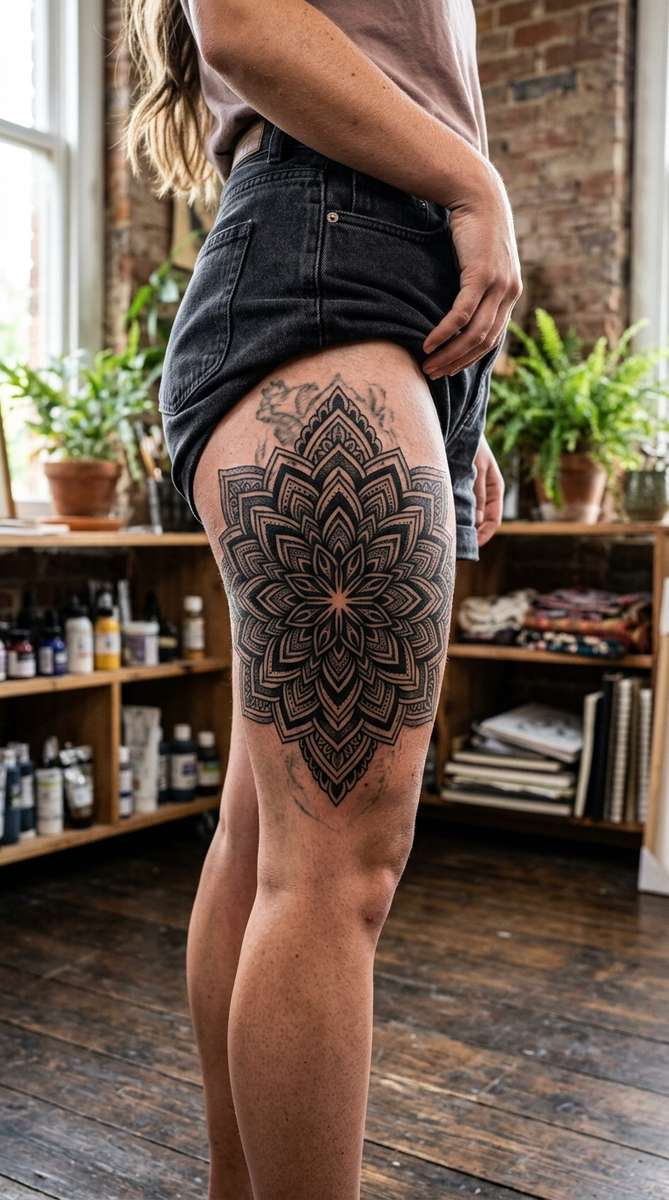
Bold Blackwork Mandala
When the old tattoo is dark and stubborn, blackwork wins. A mandala’s thick lines, solid black fills, and repeating dotwork leave nowhere for old ink to peek through. This is the strongest coverage on the list. If heavy black coverage appeals to you, browse these dark cover up tattoos for women for more ideas.
Mandalas also age gracefully. Bold shapes hold their edges for years, while fine details in other styles can soften. If you want a cover-up you will still love in a decade, this is a solid bet.
Solid black saturation is what to ask for. The design will be bigger and bolder than the original tattoo — there is no way around that with heavy coverage. Make peace with the size before you commit.
Budget tip: mandalas are often priced by size and density, so get the full quote in writing. Large pieces may split across two sessions, which also splits the cost. Aftercare matters more here: thick blackwork can scab a little, so keep it clean, moisturized, and out of pools or long baths until fully healed.
Placement is everything with symmetrical work. Your artist should apply the stencil while you stand in a natural posture, then let you study it in a mirror from several angles. Speak up during this stage — a mandala that sits even slightly off-center will bother you for years.
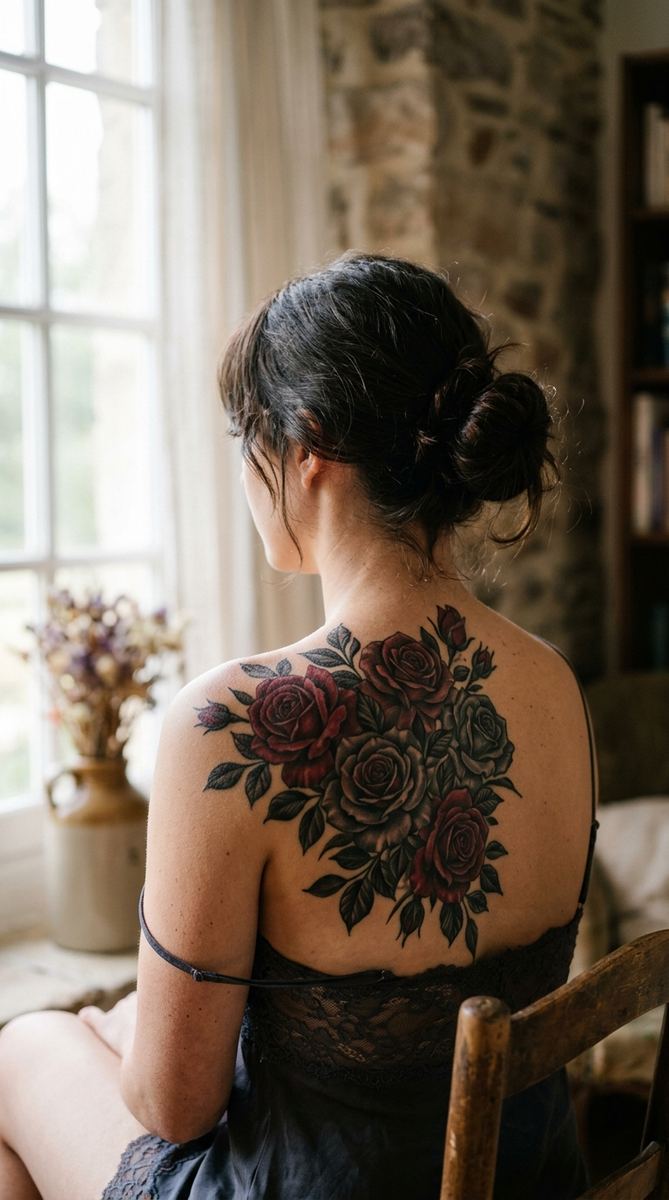
Realistic Rose Cluster
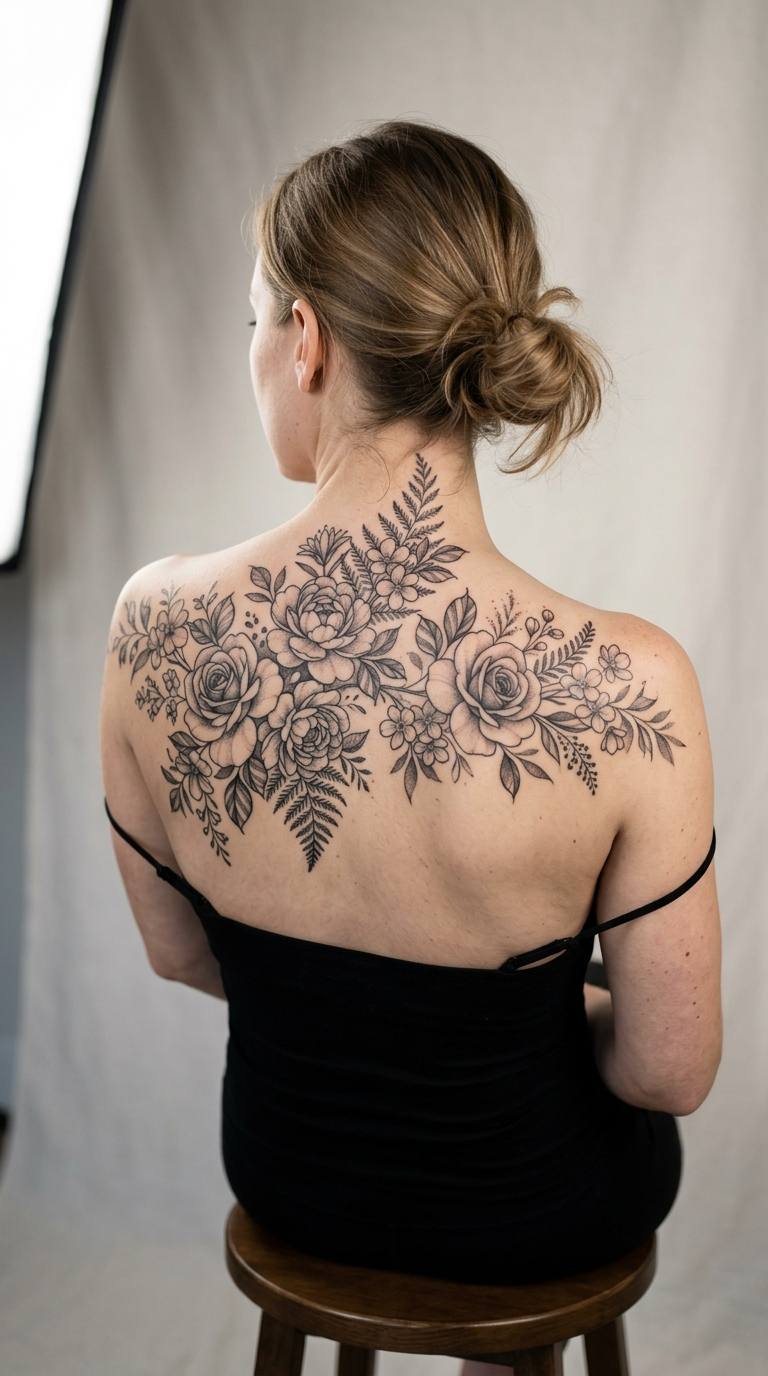
Roses never go out of style, and they are cover-up powerhouses. A cluster of blooms gives your artist multiple dark centers to place over the worst of the old ink. Leaves and buds fill the gaps around them, so nothing shows through.
Realistic shading is the secret. Smooth gradients from deep black to soft grey create depth that tricks the eye. Old lines get lost in the folds of petals and the shadows between leaves.
Clustered bloom placement covers wider areas than a single flower. This makes roses ideal for old tattoos that sprawl — think shoulder blades, thighs, and hips. They also suit the lower back beautifully — see these lower back cover up tattoos for women for inspiration.
Budget tip: realism takes time, so expect a longer session and a higher quote than simple linework. It is worth paying for an artist whose portfolio shows healed realistic work, not just new photos. For aftercare, fragrance-free lotion twice a day and loose clothing over the area will keep the shading crisp as it settles.
Book a check-in a few months after healing. Most artists will happily look over their work and refine tiny spots that settled unevenly. Those small refinements are what separate a good rose cluster from a truly great one, and they are often complimentary.
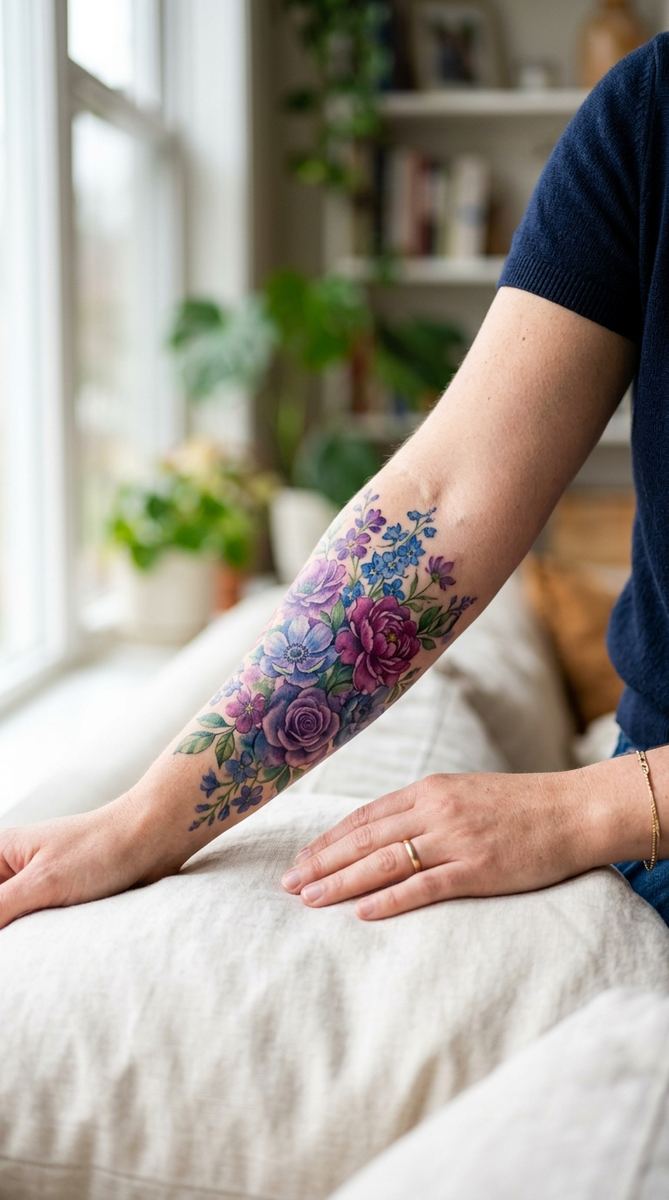
Watercolor Floral Splash
Watercolor tattoos look soft and painterly, but here is the honest truth: they only cover light, faded old tattoos. If your old ink is dark, skip this one. If it is a pale ghost of its former self, watercolor can work beautifully.
The trick is density. Your artist must layer the washes darker than a typical watercolor piece, building up magentas, purples, and deep blues until the old design disappears. Soft edges alone will not hide anything.
Layered wash density is the term to bring up. Ask to see healed photos of the artist’s cover-up work specifically, since watercolor fades faster than other styles and may need a touch-up down the road.
Budget tip: plan for a possible touch-up session in your budget — many artists offer them at a reduced rate within the first year. Keep sunscreen on the piece once healed, because sun fades watercolor faster than bold styles.
Photograph the old tattoo in natural daylight before your consultation. Indoor lighting hides how dark old ink really is, and your artist wants an honest view to judge whether watercolor can cover it. Clear photos lead to realistic plans and no surprises.
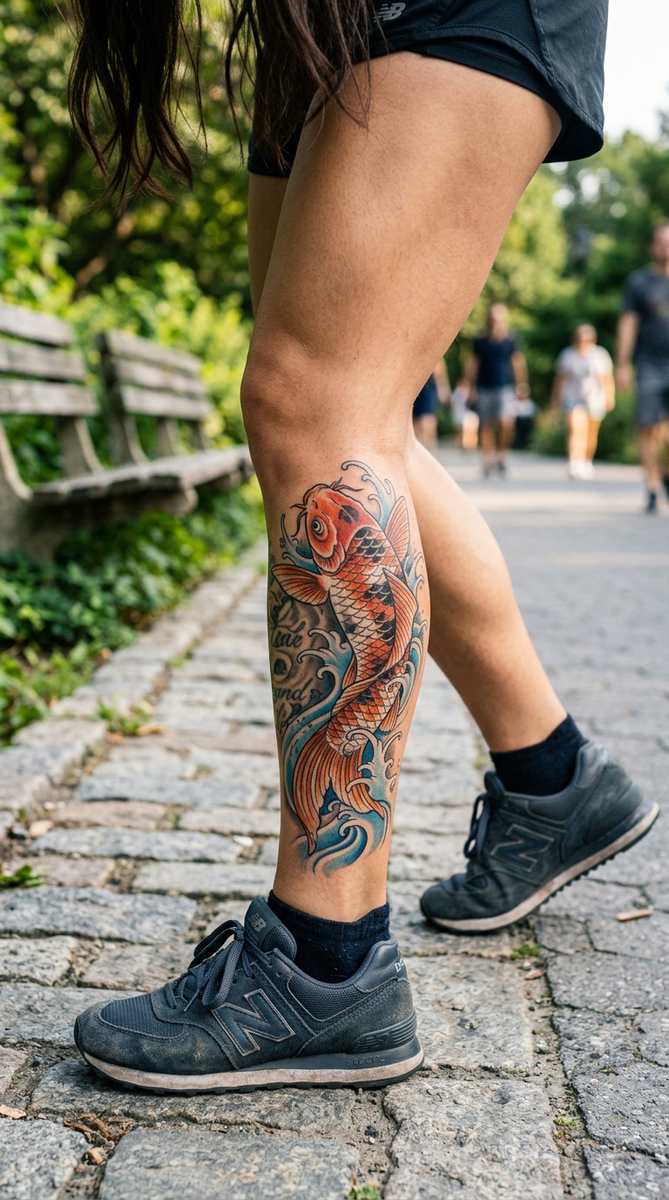
Graceful Koi Fish
Koi are made for cover-ups. Their scaled bodies create a busy, detailed pattern that breaks up old lines, and their long, curving shape can follow the exact outline of the tattoo underneath. Water splashes and waves around the fish add even more coverage.
This design shines on long, narrow old tattoos — forearms, calves, and ribs are perfect. The fish can swim right along the old shape, turning an awkward rectangle of ink into flowing movement. For more designs that suit the lower body, see these leg cover up tattoos for women.
Directional flow matters most here. Talk with your artist about which way the koi should face so it flatters your body’s lines. Color or black-and-grey both work; color hides slightly better because the eye reads hue before old shadows.
Budget tip: a koi with background waves is a medium-to-large piece, so ask how many sessions it will take. Booking a morning appointment helps — you will sit more comfortably when you are rested. Aftercare: keep it clean and skip the gym for a few days to avoid stretching new ink.
Koi designs scale gracefully, so if the old tattoo turns out wider than expected, the artist can add extra waves or a smaller companion fish. Settle the full composition before the first line goes in — cover-ups leave little room for improvisation once the needle starts.
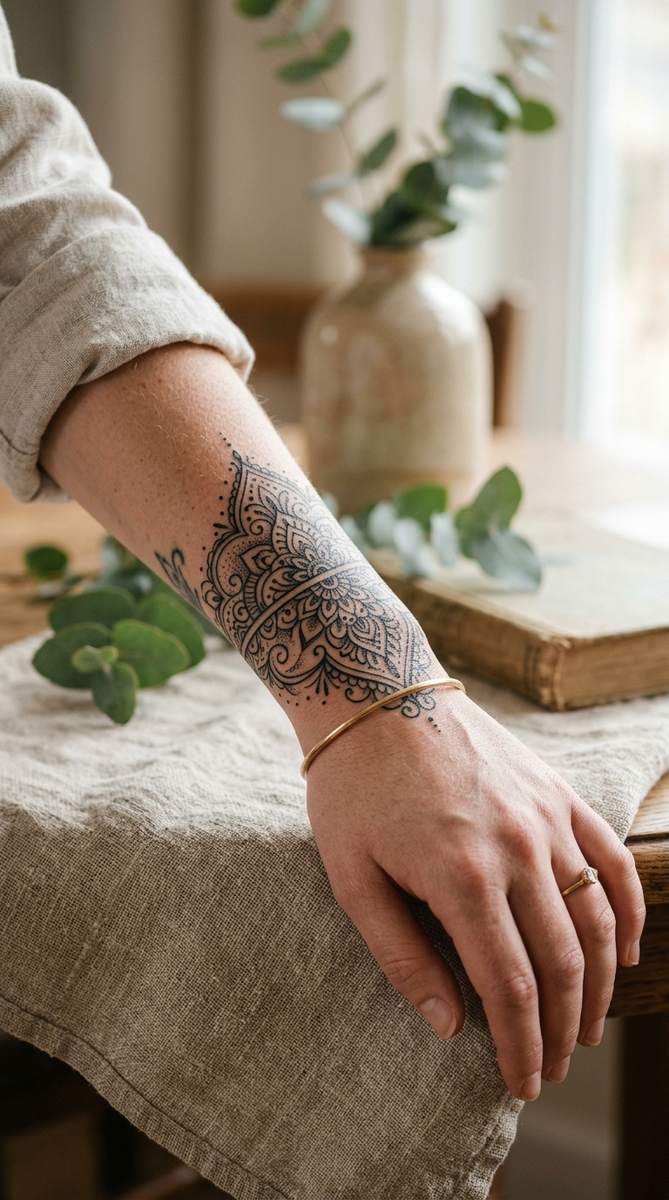
Ornamental Lace Cuff
Lace patterns turn a cover-up into jewelry. Fine dotwork, tiny lines, and repeating motifs build a dense cuff around the wrist or forearm that hides old ink inside its pattern. From a distance it reads as an elegant band; up close the detail is stunning.
This suits smaller old tattoos that sit where a bracelet or cuff would. The ornamental style is forgiving — the artist can adjust the pattern’s density exactly where the old tattoo requires the most hiding.
Dotwork density is your key phrase. Denser dots mean better coverage, so point out the darkest parts of your old tattoo and ask for extra packing there.
Budget tip: ornamental work is slow, precise tattooing, so hourly rates add up. A small cuff might still take two to three hours. Bring a clear photo of your old tattoo to the consultation so the artist can quote accurately. Aftercare is gentle: thin moisturizer layers and no tight bracelets over the new piece.
Lace cuffs look best when they follow your wrist’s natural taper. Ask the artist to draw the pattern on your skin with markers first. Seeing it in place lets you judge the width and density before anything permanent happens, and adjustments at this stage are free.
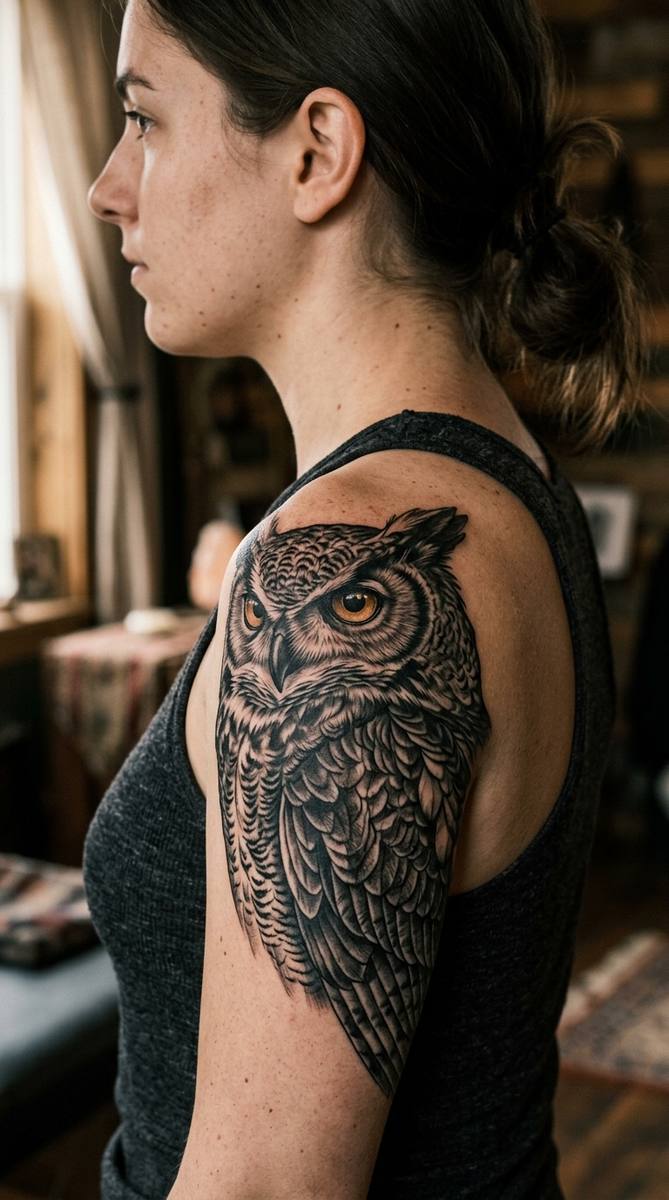
Majestic Owl Portrait
An owl’s face is a brilliant cover-up tool. Those big, detailed eyes grab every bit of attention, while layered feathers create deep, dark texture that swallows old lines. Nobody will be looking for your old tattoo — they will be looking at the owl.
Feather layering is what makes this work. Each row of feathers adds another level of shading, and the artist can go darkest exactly where the old ink sits. The round face shape also covers round or square old tattoos neatly.
Feather texture depth is worth discussing. More feather rows mean more coverage, so do not shy away from a slightly larger design.
Budget tip: animal portraits reward a specialist, so look for artists with strong wildlife portfolios. Expect to pay a premium for that skill — it shows in the final result. After healing, compare the piece to your reference photos; a good owl should look even better settled than it did new.
Owl eyes demand precision, so book an artist with regular portrait or wildlife work in their portfolio. During the consultation, ask exactly how they will treat the old tattoo’s darkest areas — the answer should name specific feather layers, not vague reassurance.
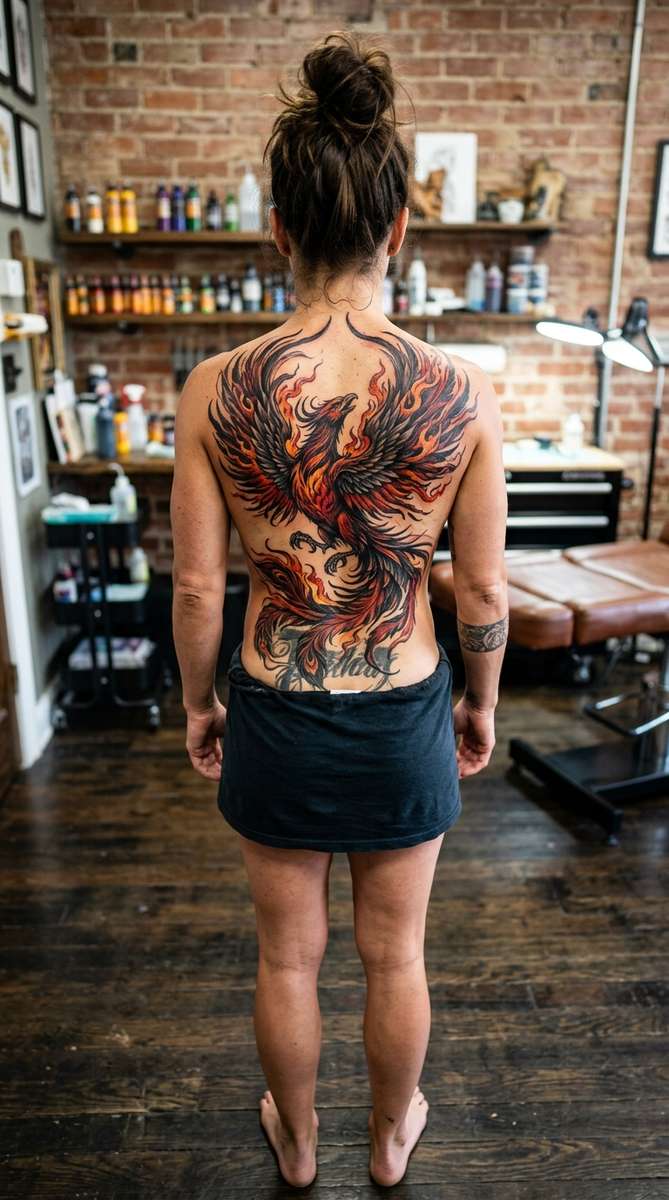
Phoenix Rising
Few cover-ups carry as much meaning as a phoenix. Rising from ashes into new life, it turns the story of your old tattoo into the story itself. Flames, feathers, and swirling smoke give your artist endless dark, busy areas to work with.
This is a medium-to-large piece by nature. The phoenix requires room for its wings and tail to flow, which is actually good news — more flowing elements mean more coverage for the old ink underneath.
Flame and feather movement should guide the design. Ask your artist to sketch the flow first and check that the darkest flames land over the darkest old ink.
Budget tip: this is a multi-session piece, so talk payment plans upfront. Many shops let you pay per session, which spreads the cost over months. Between sessions, follow aftercare carefully so each layer heals cleanly before the next one goes on. The wait is worth it.
Because this piece tells a story, think about what yours is. Some women weave small personal symbols into the flames — a tiny star, a sprig of their birth flower, a meaningful date worked into the shading. These details turn the cover-up into a celebration rather than a correction.
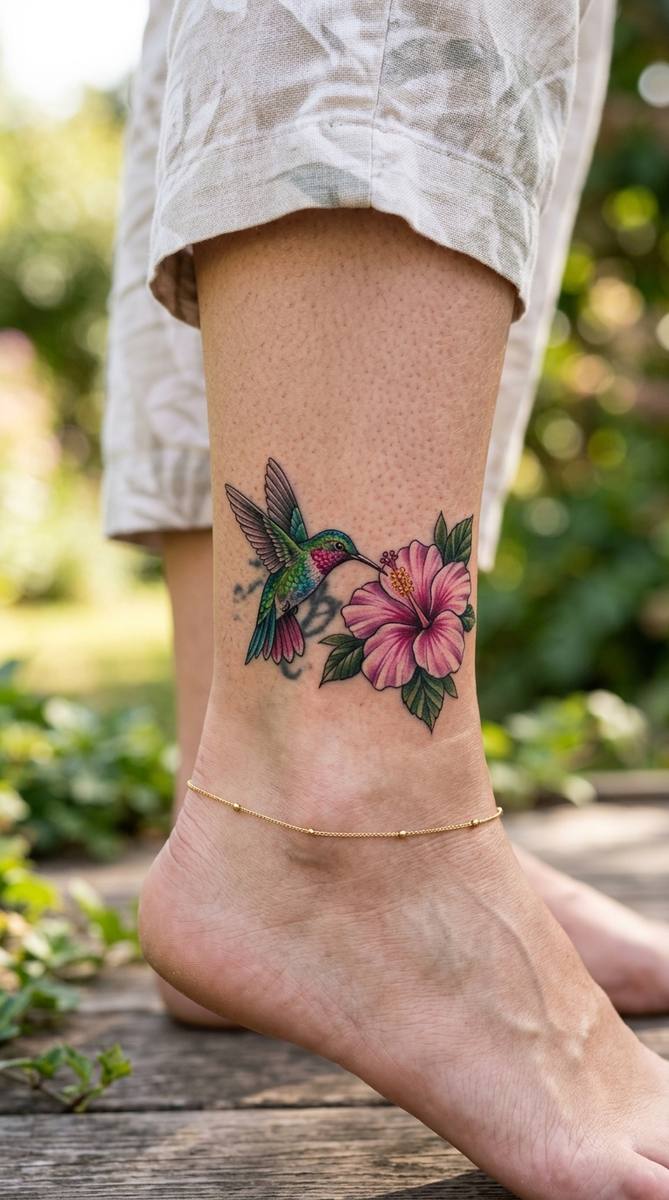
Hummingbird and Hibiscus
For smaller old tattoos, this pairing is perfect. The hummingbird’s compact body and the hibiscus’s layered petals pack a lot of dark detail into a small space. Jewel tones — emerald, ruby, sapphire — add richness that helps old ink disappear.
Small does not mean simple here. The magic is in the density: fine feathers, shaded petals, and tiny background dots all working together. A good artist can hide a surprising amount of old ink in a three-inch design.
Compact color saturation is what to request. Every millimeter should be working, with no pale gaps where old lines could show.
Budget tip: small dense pieces often cost more than people expect because of the detail involved. Get the quote before you fall in love with the sketch. Single-session pieces like this heal quickly — keep up the moisturizer routine for two weeks and you are done.
Think about visibility before you book. Ankle and wrist pieces show often, so check your workplace dress code if that matters to you. Most cover-ups this size fly under the radar, but knowing the policy avoids awkward conversations later. A quick check now saves stress.
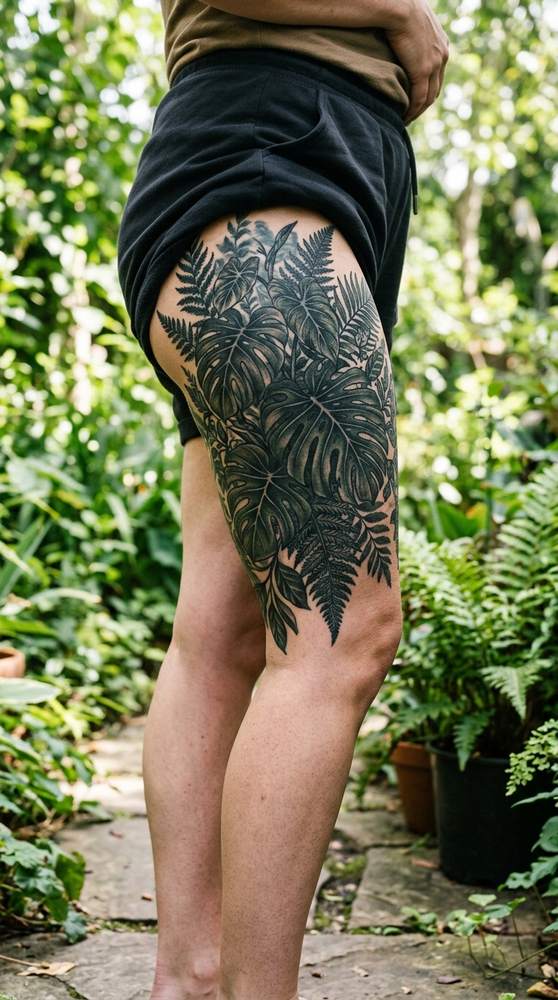
Dark Botanical Sleeve Piece
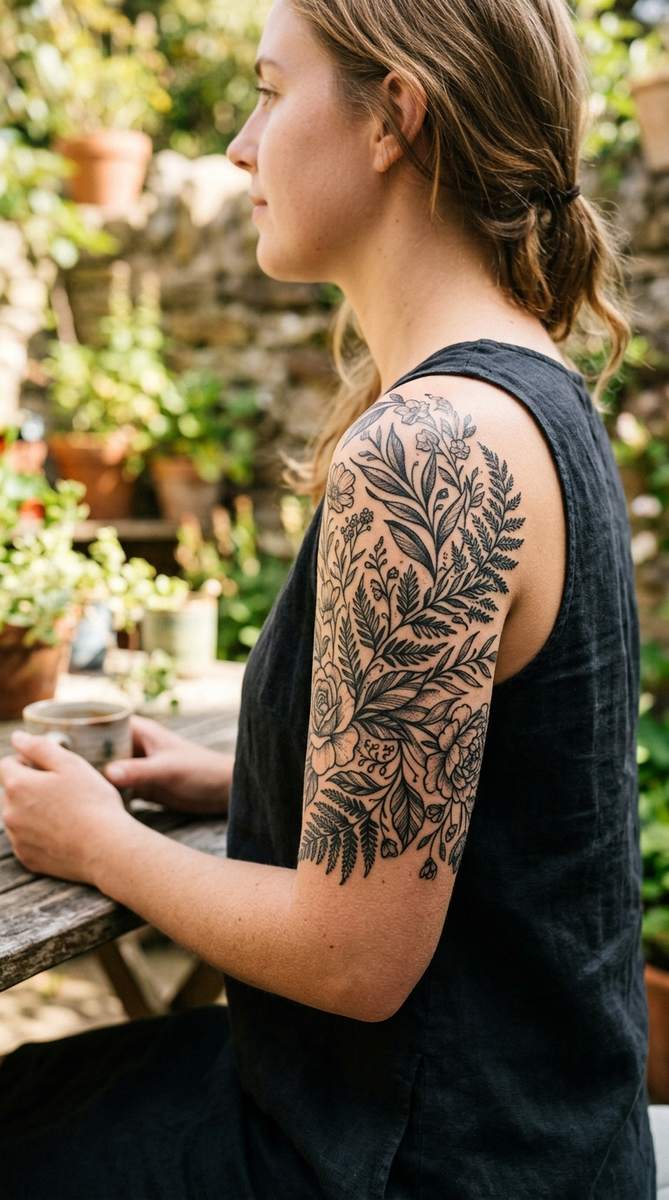
Some old tattoos are too big for a single flower. That is when a full botanical piece earns its place. Large monstera leaves, ferns, and trailing vines in deep greens and blacks can take over an entire thigh, shoulder, or upper arm.
The scale is the advantage. With this much room, your artist can bury old ink under the darkest leaves and let lighter foliage breathe around it. The result looks intentional and lush, not like a cover-up at all.
Large-scale leaf coverage requires an artist comfortable with big compositions. Check their portfolio for healed large-scale work before booking.
Budget tip: this is the biggest investment on the list — several sessions over months. Ask for the total estimated cost and session count in writing. Many people save between sessions, which makes it manageable. Protect your investment with sunscreen once healed; large dark pieces stay rich for years with basic sun care.
Large pieces evolve over months, so choose an artist you genuinely enjoy working with — you will see them several times. Ask to see healed work at least a year old. How a sleeve looks on day one means little; how it looks at year three tells you everything about the artist’s skill.
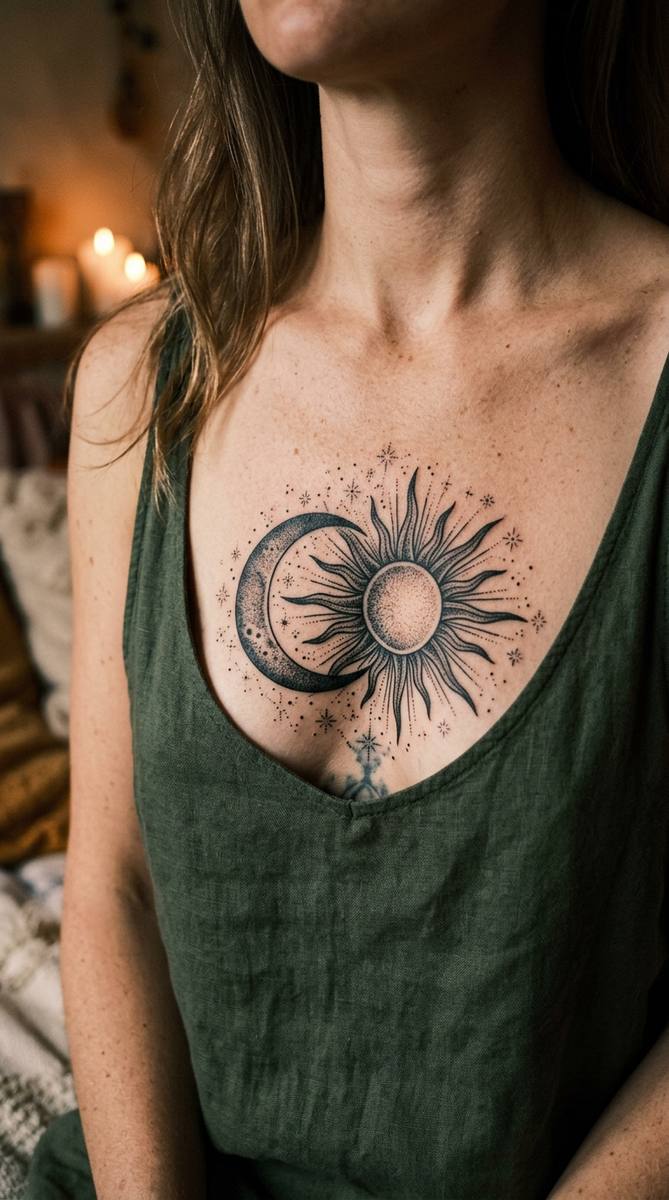
Sun and Moon Celestial Pair
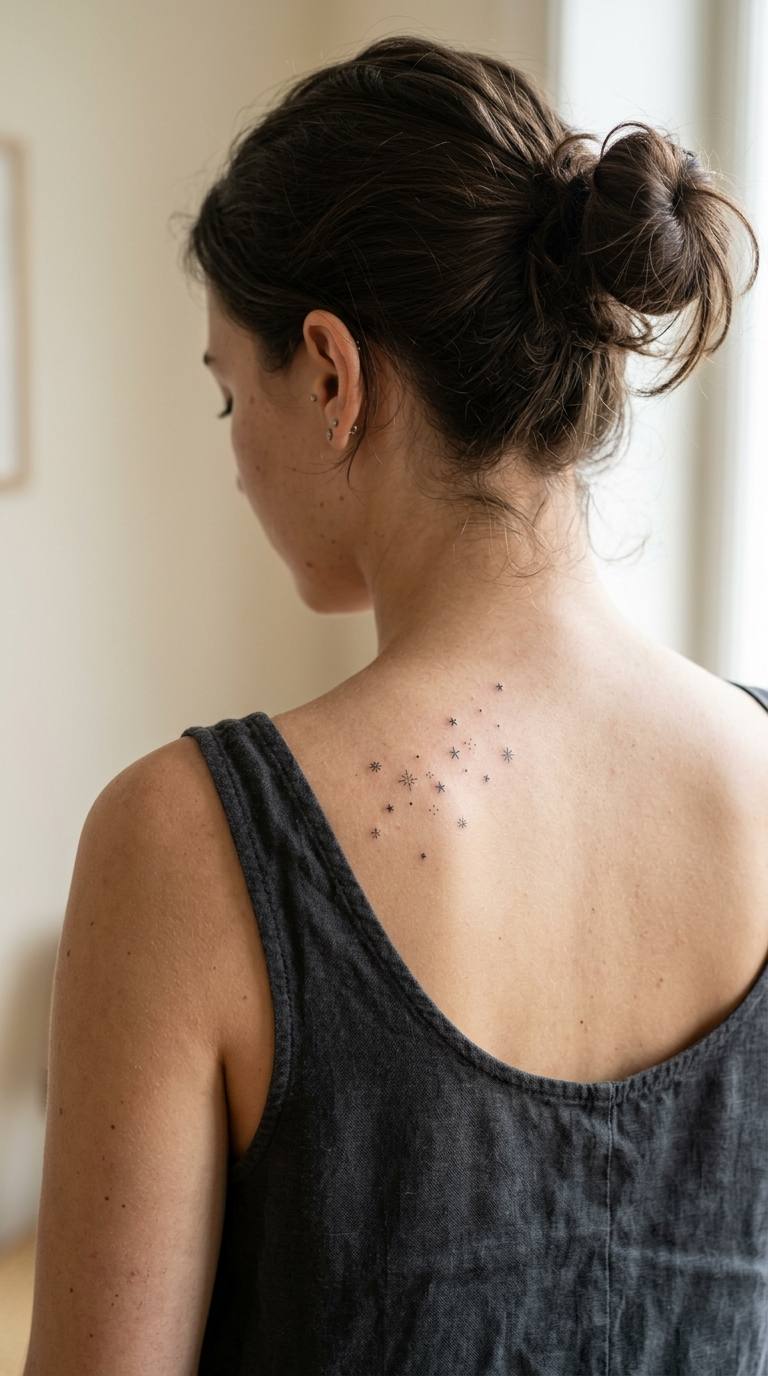
Celestial designs bring drama and depth to cover-ups. The moon’s dark, shaded disc is ideal for sitting over the darkest part of an old tattoo, while the sun’s bold rays spread outward to cover the rest. Dotwork stars fill every remaining gap.
This pairing works beautifully on sternums, upper backs, and thighs — anywhere with a natural center point. The symmetry feels balanced and intentional, and the contrast between the dark moon and radiant sun keeps the eye moving.
Contrasting light and dark is the design principle to discuss. The strongest coverage comes from placing the darkest celestial body over the darkest old ink.
Budget tip: dotwork stars take steady, patient time, so do not rush the session. Bring snacks and water — longer sits go better when you are comfortable. Aftercare is standard: gentle washing, light moisturizer, and patience while the dotwork settles into soft, even tones.
Sternum and upper-back placements call for smart clothing choices on appointment day. A button-up shirt or zip hoodie keeps the area accessible while letting you cover up between stages. Plan your outfit in advance so you stay comfortable and the artist can work without awkward adjustments.
Conclusion
The right cover up tattoos for women turn regret into art you are proud to show. The secret is never just picking a pretty design — it is matching the design’s darkness, size, and texture to the old ink underneath. Our tattoo placement guide can help you choose the perfect spot for the new piece. Start with an honest consultation, bring reference photos, and ask your artist what will truly hide your specific tattoo. Plan your budget across sessions if needed, and treat aftercare as part of the art itself. Your skin tells your story. Make sure the next chapter is one you love. If your old ink runs along the arm, these upper arm sleeve tattoos for women show how a floral sleeve can swallow old ink in full bloom. Prefer something softer? Delicate flower tattoos for women make beautiful cover-ups too.
Keep exploring: traditional sacred heart tattoos, sacred heart tattoo stencils.