Tattoo Placement Guide: How to Choose the Perfect Spot
Choosing the right design is only half the battle — where you place your tattoo matters just as much. Placement affects how your tattoo looks, how much it hurts, how visible it is day to day, and how well it ages over the years. This guide walks you through the most popular body areas, what to expect from each, and how to pick the perfect spot for your next piece.
Things to Consider Before Choosing Placement
Before you commit to a spot, think about four key factors: visibility (do you want to see it daily, show it off, or keep it private?), pain tolerance (some areas are far more sensitive than others), size and shape of your design (long designs suit arms and legs; compact designs suit wrists and ankles), and how the area ages (skin that stretches or sees a lot of sun will affect your tattoo over time).
Popular Tattoo Placements Explained
Wrist and Forearm
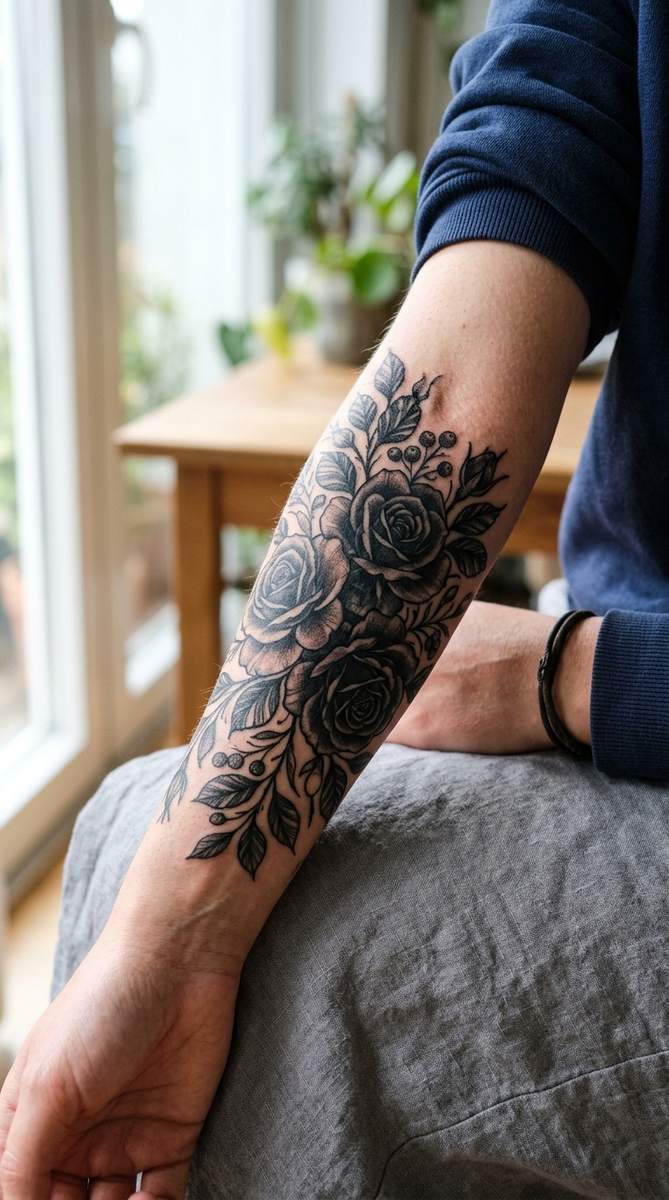
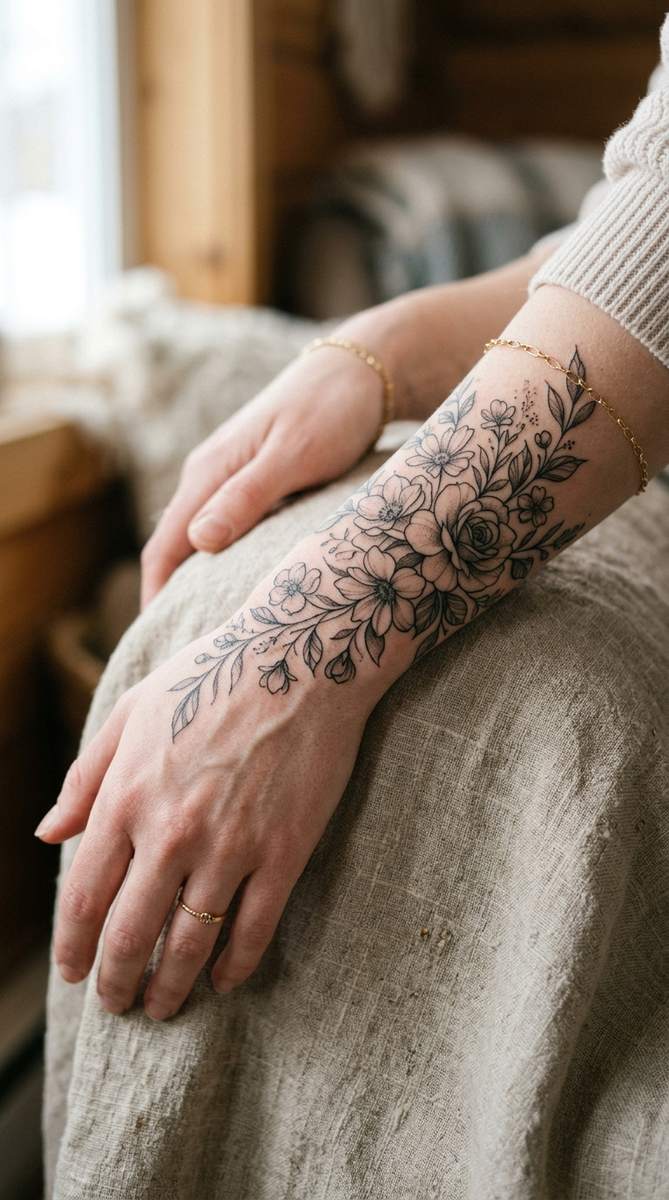
The wrist and forearm are among the most popular placements — and for good reason. They’re highly visible, relatively low on pain, and suit everything from tiny minimalist symbols to larger statement pieces. The flat surface makes for clean, precise work. Just note that wrist tattoos are hard to hide and see more sun exposure.
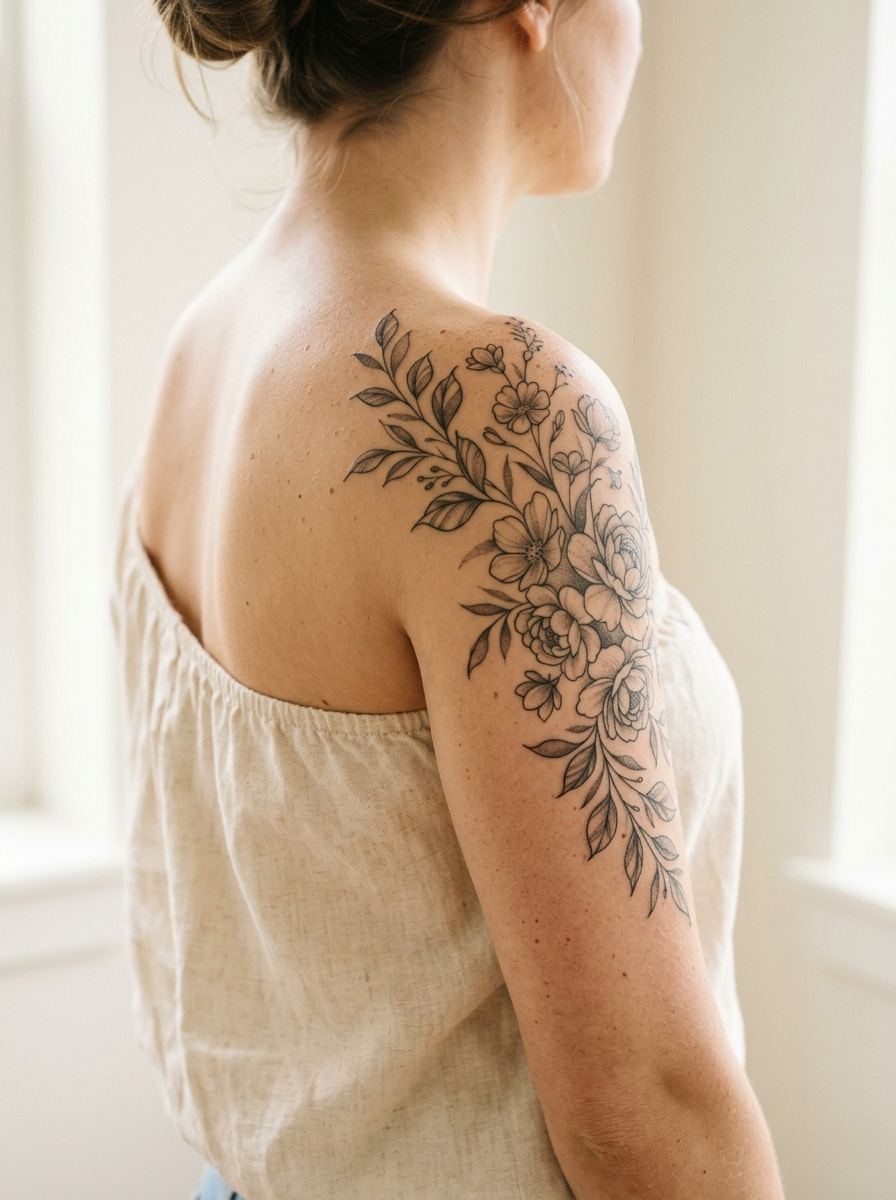
Upper Arm and Shoulder
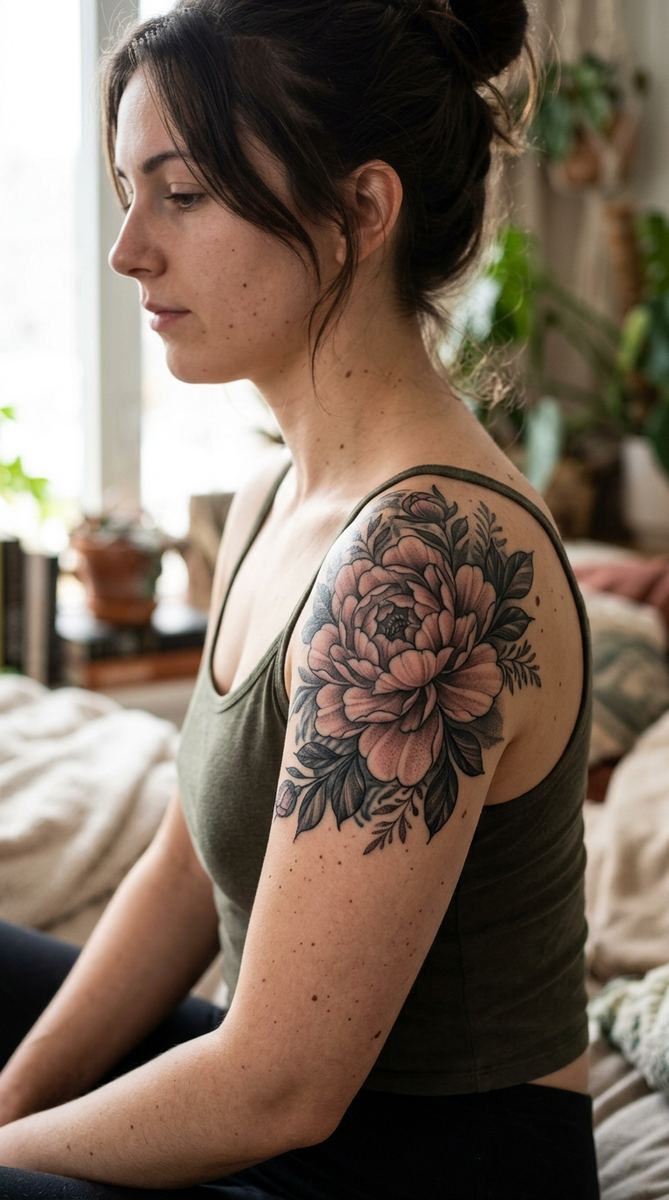
The upper arm and shoulder offer a generous, gently curved canvas that’s ideal for medium to large designs. Pain is moderate — there’s good muscle coverage. These areas are easy to cover with sleeves for work, yet easy to show off. A classic choice for first larger pieces.
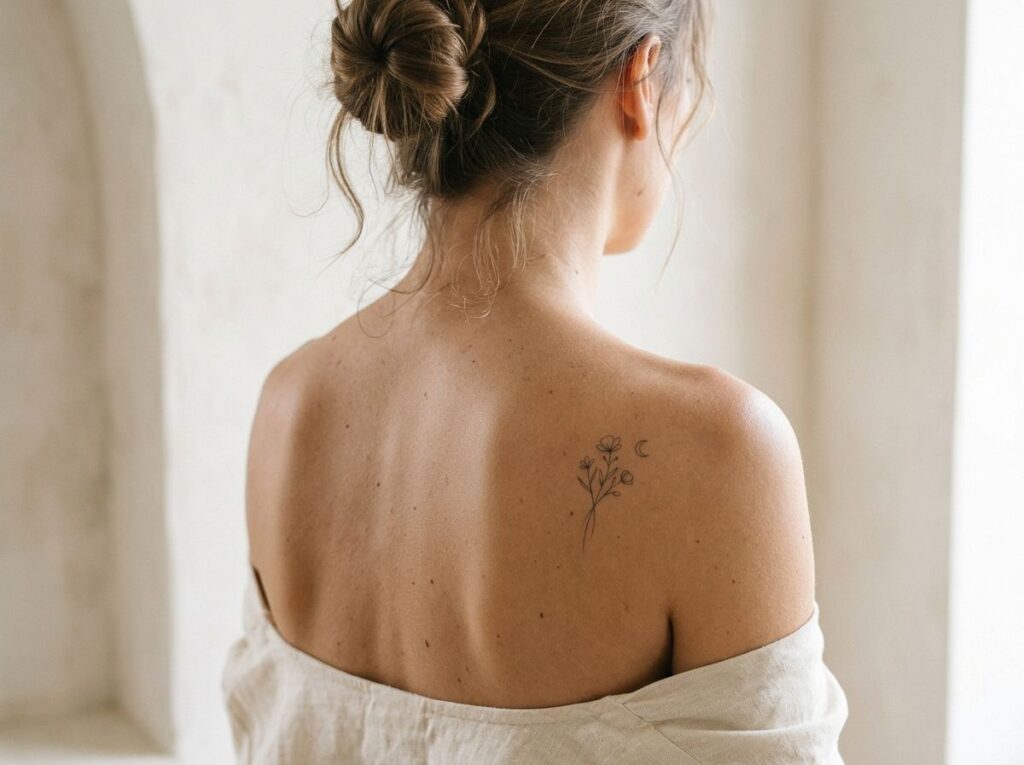
Back
The back is the largest single canvas on your body, perfect for big, detailed work. Pain varies — the upper back is moderate, while the spine and shoulder blades can be quite sensitive. Back tattoos are easy to conceal and age well since the area sees less sun. Ideal if you want something impressive but private.
Chest
Chest tattoos make a bold statement and work well for symmetrical or centred designs. Pain can be significant near the collarbone and sternum where bone is close to the skin. Easy to cover, but the chest area can change with weight fluctuations, which may affect the design over time.
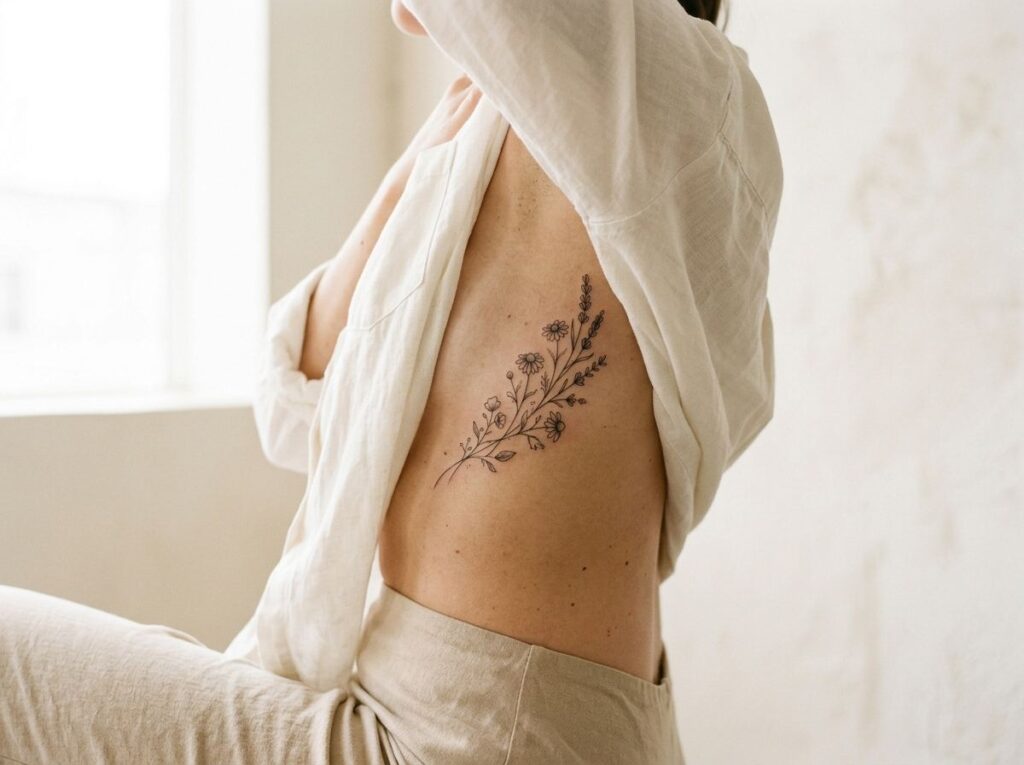
Ribs and Side
Rib tattoos are beautiful — the long, vertical space suits script, botanical designs, and flowing compositions. However, the ribs are famously one of the most painful placements due to thin skin over bone. They also move with breathing, which can make long sessions challenging. Best for those with a higher pain tolerance.
Thigh
The thigh is a fantastic placement — large, relatively low-pain, and easy to conceal. It suits everything from bold statement pieces to delicate fine line work. Thigh tattoos age well and offer plenty of space for artists to work with. A great option if you want something substantial but discreet.
Ankle and Foot
Ankles are perfect for small, dainty designs. The foot, however, is notoriously painful and tattoos there tend to fade faster due to friction from shoes and constant movement. If you choose the foot, keep the design simple and expect possible touch-ups.
Behind the Ear and Neck
Behind the ear is a charming spot for tiny designs — discreet yet easily shown by tucking hair back. The neck is more of a commitment: highly visible and moderately painful. Small neck tattoos have become trendy, but consider your professional and personal comfort with visibility.
Visibility: Show It or Hide It?
Think honestly about how visible you want your tattoo to be. Hands, neck, and face are always on display. Wrists and forearms are visible in most clothing. Upper arms, thighs, back, and ribs are easily covered. There’s no right answer — it depends on your lifestyle, career, and personal preference. Many people start with easily covered placements and get bolder as their collection grows.
Pain Levels by Placement
Pain is subjective, but some patterns hold true. Bony areas with thin skin — ribs, spine, ankles, feet, elbows, and knees — tend to hurt most. Fleshy areas with good muscle or fat coverage — outer thigh, upper arm, forearm, and calf — are generally the least painful. Areas with many nerve endings, like the inner wrist and armpit, can also be surprisingly sensitive. Remember: pain is temporary, but your tattoo is permanent. Don’t let fear of pain dictate a placement you’ll regret.
How Designs Age by Placement
All tattoos change over time, but placement influences how. Areas with frequent sun exposure (forearms, hands, shoulders) fade faster — sunscreen is essential. High-friction areas (fingers, feet, inner lip) blur and fade quickest. Areas that stretch significantly (stomach, chest) may distort with major weight changes. The back, thighs, and upper arms tend to age best, holding crisp lines for years. Choosing the right placement for your design’s level of detail helps it look great for decades.
Final Thoughts
The perfect placement balances visibility, pain tolerance, design size, and longevity. Take your time, talk to your artist — they’ve placed thousands of tattoos and can advise on what works best for your chosen design and body. And remember, there’s no rule saying you must decide immediately; the right spot often becomes obvious once you’ve lived with the idea for a while.
Keep exploring: spine tattoos, upper back tattoos.